

The distinction between the terms ‘sex’ and ‘gender’ needs clarity. Societal norms and conventions today make them seem similar and interchangeable. However, their differences should not be ignored. Understanding them can promote greater awareness and inclusivity. This discourse aims to provide a comprehensive account of both, along with a rational explanation of the differences. Understanding these terms defines the foundation of key social concepts.
What is Sex?
Sex is defined as the anatomical, physiological, and genetic characteristics of a person. Genetically, a person is classified as a male, female, or intersex. This classification is determined at birth. It includes the observable physical characteristics that determine the sex of a person, as well as the sexual reproductive organs. From a physiological standpoint, sex is defined by the chromosomes and hormones that determine the reproductive organs.
Most of the time, babies are assigned male or female based on their body parts. Yet, binary systems that classify people do not capture the complete human biological framework; thus, people are classified as intersex. As intersex people are born with physical sex characteristics that are not distinctly male or female, they are classified as intersex.
Key Components of Biological Sex:
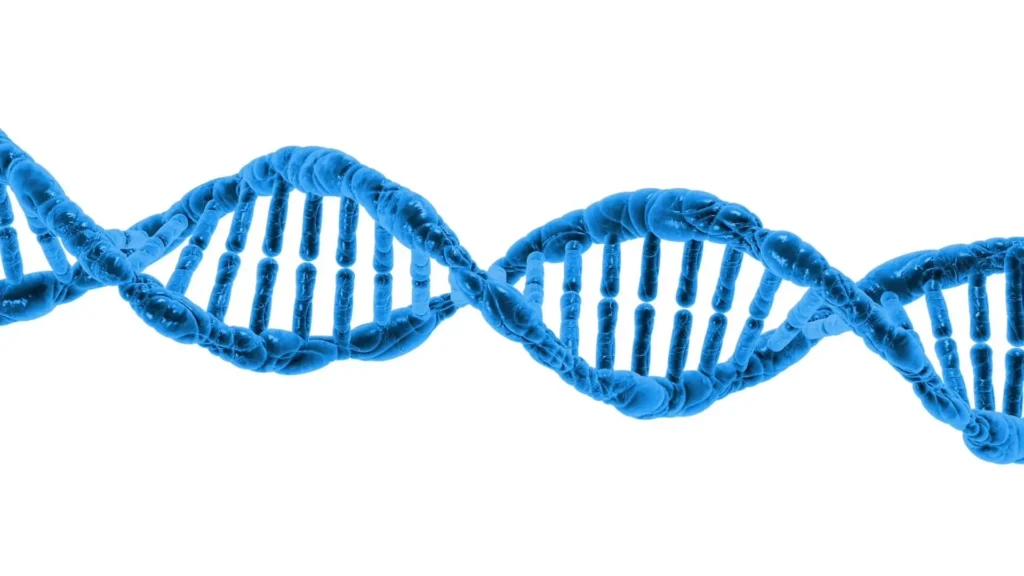
Chromosomes: Biological sex is partly determined by two chromosomes. Those with XX chromosomes (typically female) and those with XY (typically male). However, there are exceptions to this, for those with Turner syndrome (X) and Klinefelter syndrome (XXY).
Reproductive anatomy: Males possess testes and a penis, while a female has ovaries and a vagina. This anatomical difference is the main reason people assign sex to babies.
Hormones: Males and females have different primary sex hormones. Males produce higher amounts of testosterone, while females have more estrogen and progesterone. The secondary sex characteristics that develop are influenced by these hormones during puberty, and they include body hair, muscle mass, and breasts.
What is Gender?
In contrast to sex, gender is a social and cultural construct that contains multiple identities and may or may not align with a person’s biological sex. Gender refers to the roles, behaviors, activities, and expectations placed upon individuals that a society determines as appropriate for men and women. Within the realm of gender, there is greater variability and difference than with sex, and gender can change over time and across geographic boundaries.
In comparison to social and biological sex, gender identity is the personal and social construct of a person’s identity and the internal experience of that identity. For some, the internal experience of gender identity and the assigned sex at birth align, while for others, they may not. An example may include someone assigned female at birth and identifies as a woman, while someone else assigned female at birth identifies as a man or non-binary.
Key Aspects of Gender:
Gender Identity: Gender identity is an internalized sense of being male, female, some combination of the two, neither, or something else altogether. While some gender identities may align with the sex assigned at birth, others do not. Gender identities can include male, female, non-binary, genderqueer, and genderfluid as well as many others not listed.
Gender Expression: This describes how individuals demonstrate their gender identity through clothing, actions, and overall appearance. For example, some individuals may prefer gender-conforming outer garments, while others may wear garments that are gender-neutral.
Gender Roles: These are the social expectations and standards pertaining to how one should conduct oneself, driven by one’s gender. In countless traditions, cultures, and societies, men and women are given different responsibilities. For example, in patriarchal societies, men are seen as protectors and primary providers to the family, whereas women are expected to nurture and tend to the children.
Cultural Variations: Gender and cultural understandings are usually more complex than binary male and female classifications. In some North American Indigenous cultures, Two-Spirit people are recognized. This term identifies people who can embody male and female attributes simultaneously.

Sex vs. Gender: The Fundamental Differences
In a world that promotes equality and inclusivity, it is important to understand the difference between sex and gender. The following illustrates the main distinctions:
| Sex | Gender |
|---|---|
| Biological: Refers to biological attributes such as chromosomes, reproductive organs, and hormones. | Social & Cultural: Refers to roles, behaviors, and expectations society assigns based on gender identity. |
| Fixed: Sex is typically assigned at birth and is generally immutable, although some intersex conditions may challenge this binary. | Fluid: Gender identity is a personal and social construct and can change over time. |
| Male/Female: Traditionally categorized into two groups—male and female, though intersex individuals exist. | Man/Woman/Non-Binary: A person’s gender identity may be male, female, non-binary, genderqueer, or something else entirely. |
| Anatomical: Based on physical attributes like reproductive organs and chromosomes. | Identity-Based: Gender is a complex, internal identity that may or may not correspond to one’s biological sex. |
| Involuntary: Often assigned at birth based on physical characteristics. | Choice & Expression: Individuals have the right to define and express their gender. |
Why Understanding the Difference Matters
Falling on the wrong side of the division between sex and gender is a recipe for disaster on the individual and societal levels. The following illustrates the main reasons to understand the division:
Advancing Inclusivity: Understanding that gender falls beyond the binaries allows for the creation of inclusive spaces for those not adhering to societal gender expectations. Such understanding fosters a supportive culture for the non-binary, genderqueer, and transgender populations.
Confronting Stereotypes: Gender frameworks are frequently debilitating and destructive. The realization that gender norms are socially defined, and overshadow biological imperatives, enables the confrontation of societal expectations. Such discourse allows individuals to define and express themselves, free of societal bounds.
Enhanced Mental Wellbeing: From the individual’s perspective, understanding the division between sex and gender informs them and validates their being. Society, and especially the general populace, should aim to destigmatize the societal discrimination targeting transgender and non-binary individuals.Enhanced medical and psychological assistance. A thorough comprehension of the distinctions between sex and gender is crucial in healthcare. Healthcare providers should be cognizant of the specific requirements of individuals who do not conform to conventional gender expectations and address the biological and gender identity aspects of individuals’ needs and the care they provide.
Social and legal equity: Laws and policies acknowledging both sex and gender can be designed to guarantee equity for all, particularly with respect to marriage, healthcare, and non-discrimination.
The Progress of Social Norms Concerning Sex and Gender
Perceptions of sex and gender norms have changed over time, and they continue to do so. While many cultures have historically adhered to ordered systems of strict gender differentiation, with men and women assigned specific roles, society’s current progressive nature encourages individuals to fight for the re-evaluation of rigid sex and gender concepts.
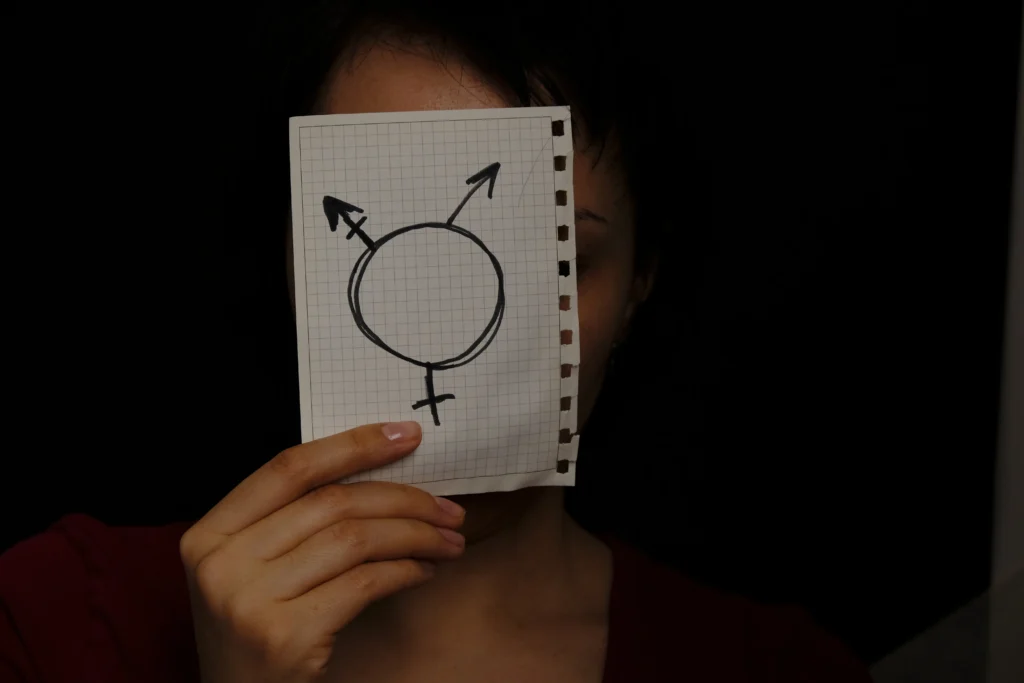
The LGBTQ+ movement is among the most influential in the promotion and defense of rights for those whose sexual orientation or gender identity does not fit conventional expectations. Gender fluidity, transgender rights, and non-binary individuals have, over time, increased recognition and advocacy, justifying the actions of many governments and other organizations aimed at protecting individuals from gender identity discrimination.
Additionally, current and ongoing interdisciplinary research in the biology, psychology, and sociology integration helps to clarify the relationship between sex, gender, and human behaviors. This knowledge enables the development of a culture that allows for authentic self-expression to occur within a framework of minimal social criticism.
Conclusion
To sum up, the discourses of sex and gender can be conflated, whereas a clear distinction and differentiation of the two deserves articulation, clarity, and time. Where sex, and the attribution, pertains to purely biological attributes and conditions as either male, female, or intersex, gender remains a complex social construct that entails identity, expression, and a multitude of roles. Differentiation aids in the understanding of the two in a more supportive and inclusive manner for each individual, irrespective of any gender affirming identification.
The respectful articulation of these topics should be paired with the articulation of empathy and open-endedness that society, as a whole, would be able to refine their knowledge and understanding of their sex and the gender pertaining to them. This shift in knowledge would allow the discrimination of diversity to be more fairly distributed within society, and rationally allow society to express their identity freely.
Key Takeaways:
- Biological sex is determined by one’s chromosomes, anatomy, and hormones.
- Gender pertains to the social and culture dimensions and aspects of social identity, expression, and roles.
- Identifying differences between sex and gender furthers inclusivity, confronts stigma, and enhances psychological well-being.
- Gender and sex role norms are slowly evolving and changing in response to societal progress.
Recognizing and respecting the differences between sex and gender still allows room for appreciating diversity.
