


Most people think that toilet seats are the most unclean part of a home, but that has changed over the years. Multiple studies have discovered that the toilet seat isn’t the most unclean part of a home. Many other items that are more unclean and, more importantly, are more frequently in contact and used. Here I have listed the 5 unclean items alongside their suggested solutions for cleaning them.
Bacterial Contamination in Homes
Before discussing the unclean items in the home, the context of bacterial contamination needs to be considered. If you think a toilet seat is unclean with 50 bacteria per square inch, you’re wrong. Many studies prove that many other common items in the home, which are used more frequently, have much more bacteria than others. This has been proven many times over with the assistance of various scientists and microbiologists.
1. Kitchen Sponges and Dishcloths
Kitchen sponges and dishcloths have been labelled the most contaminated household items. Your common kitchen sponge is sporting around 10 million bacteria per square inch. This makes sponges around 200,000 times more contaminated than a toilet seat.

Why Do They Get So Contaminated?
Kitchen sponges are warm and moist, and this is why sponges are a great breeding ground for bacteria. If food is trapped inside a sponge, bacteria will use the food as their own nutrients. Bacteria like E. coli, Salmonella, and Campylobacter are all common pathogens that have been found in kitchen sponges.
- Sponges ought to be replaced every 1 to 2 weeks.
- Microwaving a moist sponge for 2 minutes is an alternative method to disinfect the sponge
- Sponges can also be run in a dishwasher on a hot cycle
- Dishcloths must be washed in hot water after each use
2. Cutting Boards
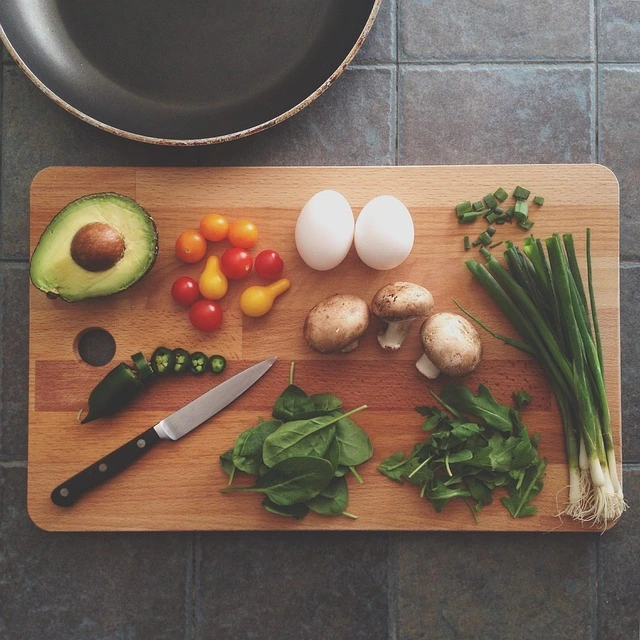
Particularly those surfaces that have been used to prepare raw meat, cutting boards are considered to be one of the most contaminated surfaces in the kitchen. One study found that cutting boards can have about 200 times more faecal bacteria than a toilet seat.
Why the Contamination Happens
When food is cut on a board, bacteria can hide and breed in the grooves made by the knives. These grooves are made by the knives and are used as hiding spots that are not reached by standard cleaning. If the same board is used to prepare different types of food without proper cleaning, the bacterial problem gets worse.
- Use different cutting boards for raw meat, vegetables, and ready-to-eat foods
- Boards must be cleaned with hot, soapy water right after use
- Every week, use a bleach and water mixture to sanitise your boards. Add a tablespoon of bleach to a gallon of water
- When deep cuts and grooves form, wooden boards must be thrown out
- Plastic boards can be cleaned easily by putting them in the dishwasher
3. Your Kitchen Sink and Faucet Handles
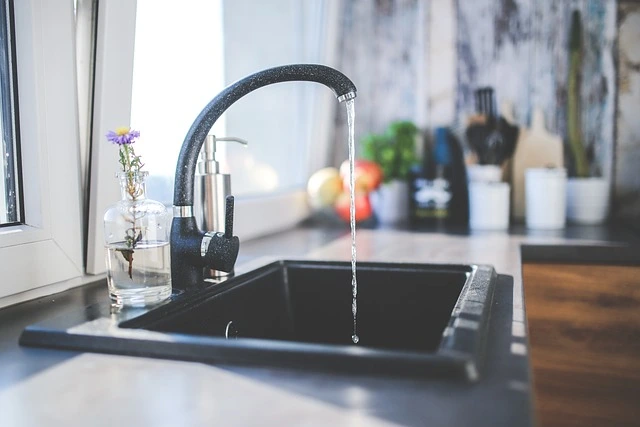
Kitchen sink drains harbour over 500,000 bacteria per square inch. That’s even dirtier than a toilet seat. Faucet handles are contaminated, too, and they transfer bacteria after dirty hands touch them.
Old food, moisture, and leftover organic matter are constantly available in the sink. The slimy biofilm over the sink drain and the bacteria within are never attended to during regular cleaning. Handles are touched and bacteria are transferred right before hands are washed, allowing them to gather and pile up.
- Always clean sinks daily with a bleach solution or a disinfectant that you can buy at a store
- Be sure to clean sink drain areas and garbage disposals
- Clean faucet handles with disinfectant several times every day
- Deep clean drains each week with baking soda and vinegar, and then pour boiling water
4. Cell Phones and Tablets
Mobile phones can have up to ten times the amount of bacteria compared to a toilet seat. Phones are taken everywhere, including bathrooms, and are seldom cleaned.
Why Phones Become So Dirty
Phones are held close to the face, touched by hands that are unwashed, placed on various surfaces, and surrounded by respiratory droplets. The heat that is produced by the devices assists the bacteria in multiplying. The bacteria can be Staphylococcus aureus or even poop.
- Cleaning of devices using alcohol-based wipes or microfiber cloths is recommended
- Manufacturers recommend 70% isopropyl alcohol solutions
- Do not take phones into bathrooms
- Cases should be removed and cleaned on a weekly basis
- Wash your hands before using a device
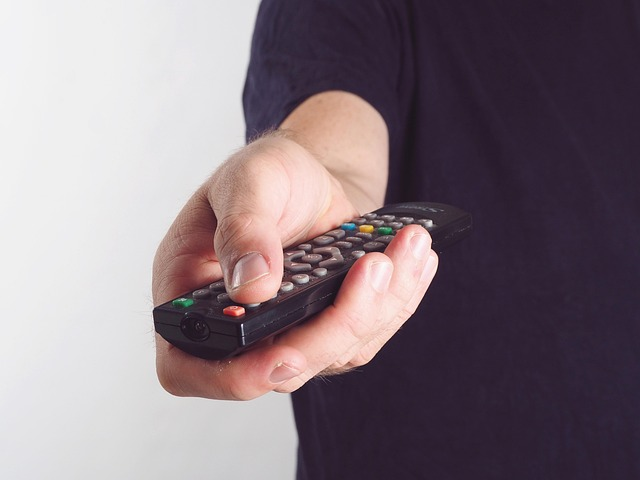
5. TV Remotes and Light Switches
Cleaning routines mostly forget remote controls and light switches, even though these items are touched by every household member. Controls and switches can hold more than 70 bacteria, plus a good amount of yeast and mold, for every square inch, and they can hold considerable amounts of yeast and mold.
The Contamination Pattern
These surfaces are touched, and we transfer bacteria, dirt, and oils from our hands. When sick family members touch these surfaces, viruses and bacteria are spread to other household members. Remotes have textured surfaces and crevices that are perfect for hiding germs.
- Light switches need to be wiped with disinfectant wipes 2 times a week
- Remote Control disinfection should occur weekly with cotton swabs and rubbing alcohol
- Parts of the remote controls that need special attention are the spaces between the buttons
- During flu season or when a sickness is present, it is recommended to disinfect daily
Other High-Risk Items to Mention
Other household items that have been identified include pet bowls and pet toys, as these have been identified as dirtier than toilet seats.
- Pet bowls, especially water bowls, accumulate bacteria quickly
- Toothbrush holders add to bacteria buildup due to moisture
- Coffee maker water reservoirs are further at risk, as warm, moist coffee maker water promotes the growth of mold and bacteria
- Cross-contamination with groceries is common in reusable shopping bags
- Door handles and knobs add to the risk, as constant touching without cleaning adds bacteria
Creating a Cleaning Schedule
Now that we have identified the dirty household items, we need to create a cleaning routine.
Daily Tasks
Daily tasks include disinfecting kitchen sponges, sanitising kitchen sinks and faucets, and wiping down mobile devices.
Daily tasks also include addressing high touch surfaces.
Weekly Tasks
Weekly tasks include deep cleaning cutting boards, disinfecting remote controls, and disinfecting light switches.
Reusable bags need to be washed, too.
Monthly Tasks
It’s time to throw sponges out. Check cutting boards – do they have deep grooves?
Other frequently touched items need to be cleaned, too.
Home Cleanliness:
When it comes to the dirtiest surfaces that we come in contact with, toilet seats have the least amount of bacteria in the home. Surfaces that are most touched in day-to-day activities, like kitchen tools, electronic devices, counter tops, and different, varied surfaces and routines, have much more deeply seated bacteria than toilet seats. Hidden contamination and cleaning avoidance lead to unhealthy homes.
The most important thing to remember is that in the home, things that are unclean and dirty do not look dirty. Cleaning avoided surfaces is deeply satisfying, and the difference in a clean home will be apparent.
If you have any questions about your home or cleaning, leave a comment. And remember to pass this article along to your friends and family, they might appreciate knowing what is on the items they use every day.
