

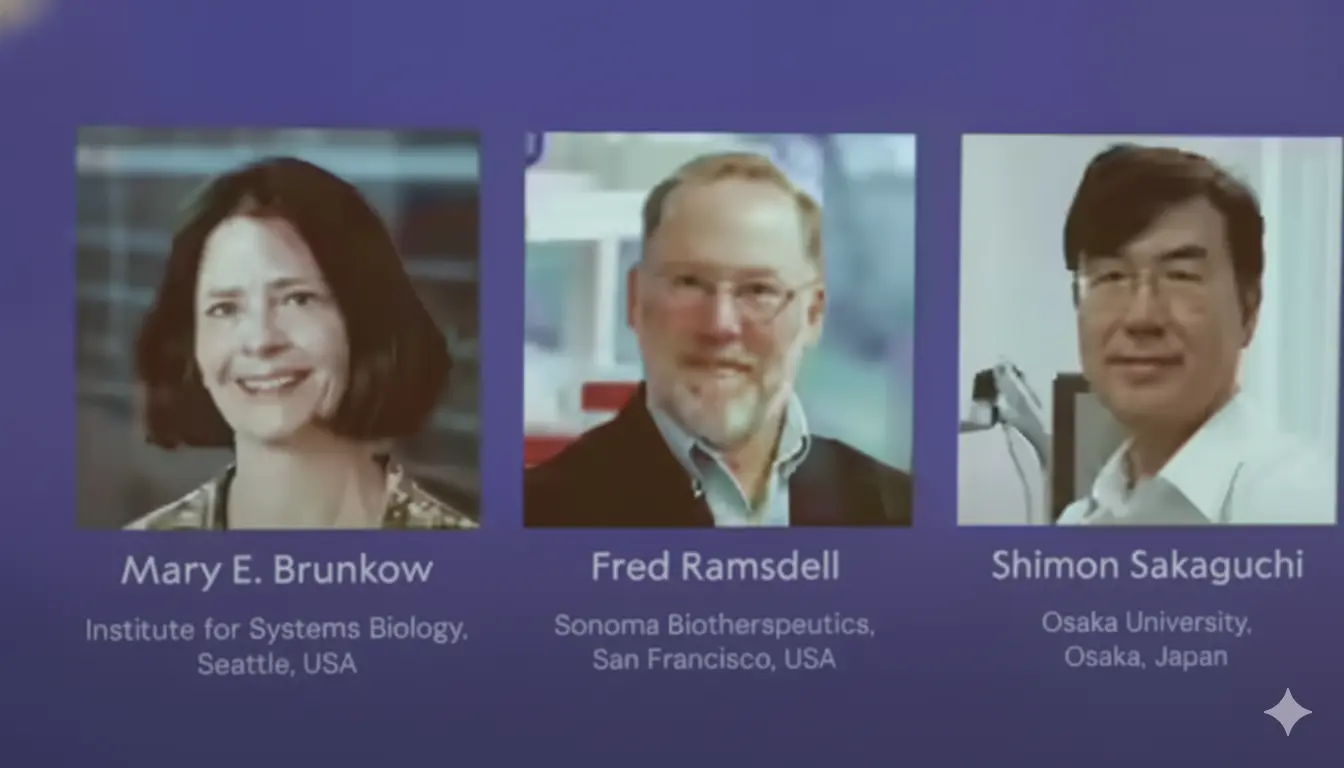
The Nobel Prize 2025 in Physiology or Medicine was awarded to Mary E. Brunkow, Fred Ramsdell, and Shimon Sakaguchi. The Nobel Prize was given to them for the first time for the discovery of peripheral immune tolerance. It was a groundbreaking discovery in the field of the immune system. It lays the foundation for the first breakthroughs in the field of autoimmune disorders and their treatment, extending to cancer. Their works are intertwined and touch multiple conditions, and cancer plays a significant role in the immune system. Thus, their work in treatment for cancer becomes useful.
Immune System: Autoimmune Diseases: Research Behind the Breakthrough: Nobel Prize 2025
The immune system runs the risk of targeting your own body and creating autoimmune diseases. Autoimmune diseases can be deadly or debilitating, causing conditions like rheumatoid arthritis, systemic lupus erythematosus, and type 1 diabetes. It is a double-edged sword; when the immune system is active, it can lead to devastating results. The immune system paradox is that it has to be active to create a positive outcome, but in the process, it can lead to devastating results.
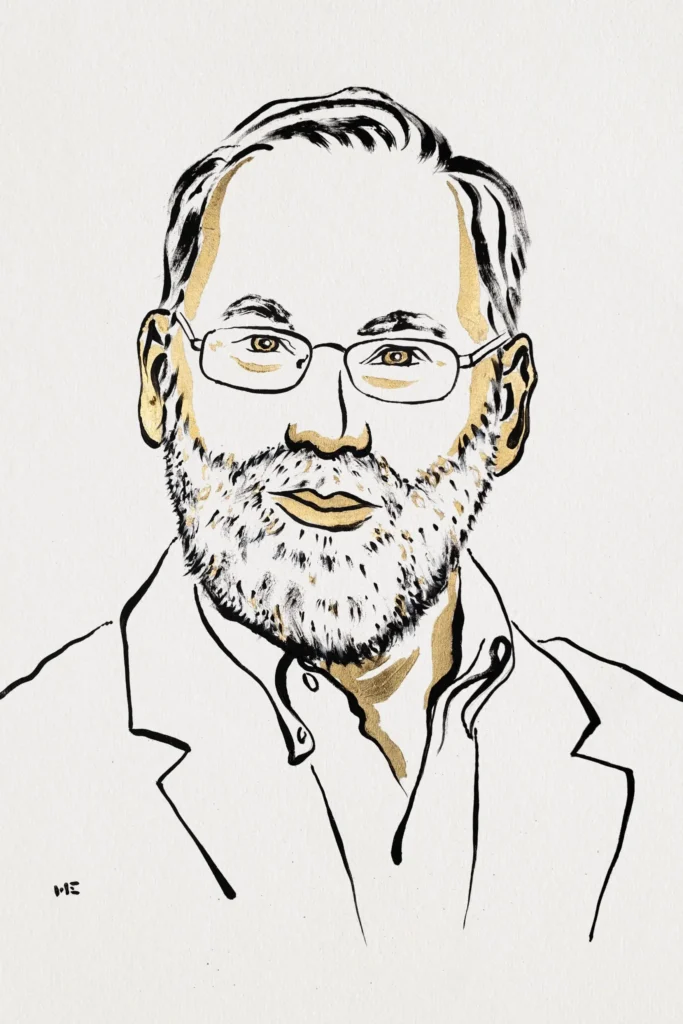
For many years, researchers thought that immune tolerance—defined as the immune system’s recognition and acceptance of its own cells—was predominantly established within the thymus gland through ‘central tolerance’. However, Shimon Sakaguchi, Mary Brunkow, and Fred Ramsdell’s research demonstrated that the immune system also maintains tolerance peripherally outside of the thymus within the peripheral tissues. This finding has changed the paradigm of immune tolerance and has led to the recognition of a critical subpopulation of immune cells: the regulatory T cells (Tregs).
Shimon Sakaguchi’s Groundbreaking Work
Shimon Sakaguchi changed the understanding of immune tolerance in 1995. His research established that the immune system could extend its tolerance beyond the thymus and into peripheral tissues through regulatory T cells (Tregs). This was a radical departure from the then-current view of immune tolerance, which held that it was established exclusively within the thymus.
Sakaguchi identified how Tregs aid in protecting the body from the self-destructive attacks of an autoimmune illness. This Treg discovery shifted the narrative of how the balance of the immune system was understood and actively studied, sparking research into Tregs and their potential involvement in autoimmune illnesses and other diseases.
Mary Brunkow and Fred Ramsdell’s Contribution
The next landmark step in the research of the immune system and specifically immune tolerance was made by Mary Brunkow and Fred Ramsdell in 2001. They tracked an autoimmune syndrome in mice to a mutation of the Foxp3 gene. They demonstrated that the Foxp3 gene is crucial to the maturation and functionality of Tregs. Absence of Tregs and uncontrolled autoimmune disease result when there is no proper Foxp3 regulation.
The work of Brunkow and Ramsdell established an integral part of the regulation of the immune system and self-recognition by Tregs. They also explained the malfunction and absence of Tregs and why autoimmune disease is associated with their absence. Brunkow and Ramsdell’s work laid the groundwork for the current understanding of immune tolerance and was the basis for many other studies and potential therapies in autoimmune diseases.
Integration of Findings
By 2003, Sakaguchi’s work was fully integrated with that of Brunkow and Ramsdell. Sakaguchi proved that the Foxp3 gene was pivotal in the development of regulatory T cells, connecting the genetics of immune tolerance with the functional role of Tregs in the periphery. Such collaboration and integration of their collective discoveries have undoubtedly progressed the field of immunology and contributed immensely to the understanding of autoimmune conditions and the control of the immune system.
Implications of the Discovery
Brunkow, Ramsdell, and Sakaguchi’s collective work has impacted medicine profoundly, especially regarding the treatment of autoimmune conditions, cancer, and organ transplantation.
Autoimmune Diseases
Consequently, the discovery of regulatory T cells and the Foxp3 gene’s role in immune tolerance has provided new pathways in the treatment of autoimmune conditions. Disorders such as rheumatoid arthritis, type 1 diabetes, and multiple sclerosis are characterised by an overactive immune system that attacks the body’s own cells. The ability to manipulate Tregs to restore balance to the immune system is an exciting new target for therapeutics.
Researchers are examining methods to improve how Tregs function, as well as methods to enhance Treg-boosting tolerogenic therapies, to improve autoimmune disease treatments and limit long-term prescriptions of risky immunosuppressive medications.
The Attention Tregs Receive
The Tregs’ role in responding to tumours has raised attention, as well as what minimal applicable research exists. Attention to Tregs has value, considering that Tregs play a pivotal role in immunological self-tolerance. Tregs do, however, limit the immune response against malignant tumours and, therefore, immunotherapy.
The more refined the methods that enable Tregs to manage host immunological response concerning self-tolerance and tumours, the more innovative immunotherapy methods that aim to focus, control, and redefine Tregs. Researchers are working to weaken Tregs in the tumour microenvironment to enhance anti-tumour immune responses. The response focus moves to Treg-centred therapies that have promising results in clinical trials.
Organ Transplantation
During organ transplantation, the body’s immune system may often reject the transplanted organs and tissue since it views them as foreign, ‘non-self’ bodies. Regulatory T Cells (Tregs) are instrumental in avoiding rejection via immune tolerance. Building on Tregs and their mechanisms for maintaining tolerance may provide a substantial impact on improving success rates in organ transplantation.
Developing and enhancing the function of Tregs may be instrumental in preventing organ rejection. This may provide long-lasting organ transplant and revolutionise the field of transplantation; it may eliminate the need for the transplant recipients to take high doses, life-long, ‘immunosuppressive’ medications, which are highly toxic and are associated with adverse side effects.
A New Era in Immunology
Prof. Sakaguchi and his colleagues’ pioneering work on ‘peripheral immune tolerance’ and its implications for therapeutic intervention in various diseases have garnered the 2025 Nobel Medical Prize. Integrating immune control and immune tolerance offers a solid foundation for the advancement of therapeutic intervention for disorders previously deemed intractable.
The integration of these findings into clinical practice could signal remarkable progress in treating autoimmune conditions, cancer, and organ transplants. This may be the beginning of a time in medical research in which the immune system can be worked with, rather than merely tolerated, and interventions can be tailored to a patient’s needs with a high degree of efficacy.
What This Means for the World
The 2025 Nobel Prize in Physiology or Medicine is a crowning achievement for the field of organ and tissue immunology. The research of Mary Brunkow, Fred Ramsdell, and Shimon Sakaguchi is significant for the advancement of the field, and it is certainly a step forward in the development of life-saving immunological interventions. The potential of the work is to provide novel solutions for some of the most pressing clinical concerns in modern medicine: treating autoimmune disorders, cancer, and organ transplantation.
The continued advancement of research pertaining to regulatory T cells provides insight into how the delicate balance of the immune system may be maintained. This balance may provide more effective control over autoimmune conditions, improvement in the efficacy of cancer immunotherapy, and enhanced success rates of organ transplants. The forthcoming Medicinal Nobel Prize of 2025 will examine the groundbreaking research within the field and its transformational impact on global health.
