


Microdosing: taking small amounts of psychedelics that don’t cause significant alterations in perception, has been increasing in attention, especially by people looking for new ways to improve mental health, creativity, and productivity. Users forgo the typical effects of Microdosing Psychedelics like LSD and psilocybin by consuming these substances in such small doses that the perceptual changes are negligible. Yet, some cognitive and emotional benefits may still be attained. The topic is popularized in the mainstream media and with personal anecdotal testimony, but scientifically, microdosing is one of the most poorly investigated themes in the field. In this article, I attempt to fill in some of this information gap by explaining the microdosing process, how it may function, the possible advantages, the potential dangers, and the most recent scientific findings in this area.
Mechanism of Action
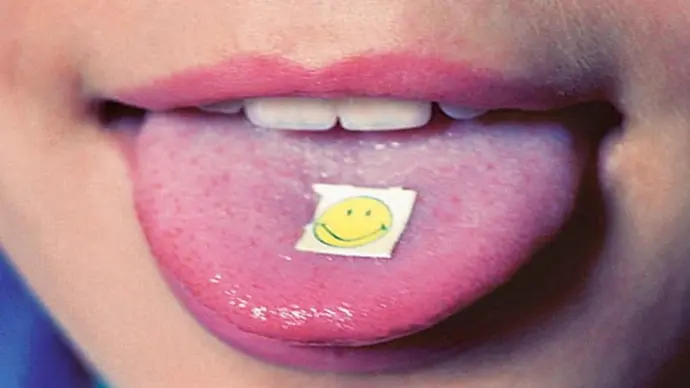
Psychedelics, such as LSD and psilocybin, are also believed to act on the brain’s serotonin system. These substances bind to certain serotonin receptors and subsequently activate the 5-HT2A serotonergic receptor complex, which is crucial for the regulation of mood, cognition, and perception. Psychedelics can cause significant alterations in perception and consciousness at high doses, but, at microdoses—about 1/10 to 1/20 of the typical recreational dose—the effects are minor, and the person does not hallucinate or lose consciousness.
Also, microdosing may optimize various neural pathways that facilitate the regulation of emotions, the flexibility of thinking, and information processing. A number of studies indicate that these substances may increase the neural mechanisms of the brain and stimulate the development of new brain cells. The mechanisms may be complex, and psychotropic substances may act on the brain by activating serotonin receptors, which may explain the rapid elevation of mood, increase in creativity, and improvement in focus, all while avoiding the perceptual alterations associated with higher amounts of the substance.
Expected Benefits of Microdosing
1. Improved Mood
Some individual reports and preliminary studies highlight the impact of microdosing on improving mood, and some individuals reported improvement in depressive and anxious symptomatology. In one article in Scientific Reports, authors reported on individuals who psilocybin microdosed and reported an improvement in emotional state, particularly increased levels of happiness, relaxation, emotional balance, and improvement over the course of the study. Another study provided evidence on improving the regulation of negative emotions, which enhances overall emotional resilience.
The positive impact microdosing has on individuals’ outlooks is striking. Surveys show microdosers feel “more positive” and have “a better sense of well-being” when compared to non-users. Since serotonin is a key neurotransmitter in regulating and facilitating a person’s mood, these changes could be a result of its interaction with the serotonin system. Microdosing can be a viable option for mental health improvement, considering the growing and unrelenting micro-epidemics of depression and anxiety. However, more extensive research is required to fully establish its credibility.
Improvement in Cognitive Abilities and Concentration
Improvement in cognitive functions is one of the most common and well-known benefits of microdosing. Many individuals who practice microdosing state improvement in their concentration and productivity, as well as increased creativity. Researchers postulate that microdosing helps with cognitive flexibility, meaning a person’s brain is more likely to “switch” and “flow” between differing and disconnected ideas and perspectives more easily. This has a positive impact on a person’s problem-solving capabilities, their creativity, and their overall task completion efficiency.
A review on the effects of psychedelic microdosing found that users self-reported improvements with regard to focus and concentration. Some users reported enhanced mental clarity and the ability to rapidly assimilate information. However, while anecdotal evidence exists to support these claims, the field needs more comprehensive and large-scale research. As such, research on the effects of psychedelics on cognitive functioning remains in its early stages.

3. Emotional Regulation and Stress Relief
Microdosing has also been reported to aid people with more effective emotional regulation. Some users have reported that microdosing helps with the management of stressful situations, the mitigation of anxiety, and the promotion of calmness, thereby invoking these changes through the serotonin system. Small doses of psychedelics may improve the processing of emotionally laden stimuli and help manage stressful situations more effectively. Some users have reported that their emotional responses become more balanced and less volatile. This may improve emotional well-being and lower stress.
Microdosing may help improve mood and develop one’s mind and presence in one’s everyday activities, which may contribute to emotional regulation. That said, the extent of the impact of microdosing for long periods of time is unknown. For individuals who may experience greater difficulty managing their emotions, exercising emotional regulation, or have other mental health concerns, it may be best for them to be more careful.
4. Improves Creativity
Another area that microdosing is said to have a positive impact on is creativity. Many users report that microdosing helps them think differently, brainstorm more freely, and view a particular problem from a variety of vantage points. Many users report that the changes in creativity improve cognitive flexibility and help break through routine thinking. This creativity and insight in thinking, particularly in innovative problem solving, has been documented in a few studies.
As microdosing has been linked to creativity, it is important to note that creativity is a multifaceted characteristic. Certain factors are more or less associated with creativity, such as one’s personality, surroundings, and mood. Hence, the role of microdosing in increasing an individual’s creativity has not been thoroughly documented.
Potential Risks and Side Effects
The possible benefits of microdosing are mostly spoken about. Still, it is also necessary to talk about the risks and limits. Although microdoses of psychedelics are generally considered safe, there are possible risks to consider.
– Psychological Risks
Microdosing, especially for those who are taking psychedelics for the first time, is likely to cause discomfort, anxiety, or even paranoia, and these may worsen in those who are in probed environments. Individuals with pre-existing conditions such as chronic anxiety or severe episodes of schizophrenia are particularly prone to experiencing these intense, risky effects. For the first time, even the most minor of psychedelics can trigger an altered state of consciousness, making it risky for the user.
Micro dosers also run the risk of exacerbating the emotional state that relies on micro dosing and losing concentration, for which the poor user will increase the micro dose to gain the effects that are more dramatic and marked.
2. Physiological Discomfort
Relatively mild side effects may accompany physical microdosing. A few people report microdose consumption headache, dizziness, and nausea. These effects are often temporary as the body adjusts to the microdose, though they may be troublesome and disruptive.
3. Tolerance Development
The potential of developing tolerance to the substance is another microdosing risk. Each time, an individual may escalate their consumption to obtain the same effect, which may cause unwanted side effects. Tolerance may incite chronic intake patterns, which may result in high doses that provide significant hallucinatory effects.
4. Legal and Ethical Considerations
In many countries, the possession and use of psychedelics are illegal and severely restricted. In certain jurisdictions, the mere possession of a small quantity of LSD or psilocybin may result in criminal charges. This presents a huge dilemma for people wanting to microdose and for potential clinical researchers. In jurisdictions where psychedelics are illegal, the individual must evaluate the potential for legal consequences when microdosing.
Concerns surrounding the ethics of microdosing remain unresolved. Advocates of microdosing claim that small doses of psychedelics remain safe for use within a therapeutic context. Detractors, however, argue that the use of psychedelics outside of a rehabilitation facility, especially in large, unregulated quantities, may result in adverse health effects and psychosocial consequences on a community and individual level.
The Discourse and Lack of Evidence
Most anecdotal reports that discuss microdosing discuss the subject in overly positive terms. The positive effects that users report are, however, driven entirely by placebo effects and the participants’ and users’ positive expectations surrounding the effects of the substance. In order to understand the effects that microdosing has, clinically acceptable, large, double-blind studies are needed. Most studies that discuss microdosing cite issues such as small sample sizes and self-reported biases and fail to address the issues completely.
A systematic review performed by researchers from Johns Hopkins University pointed out that there are indications that microdosing may, in fact, be of assistance in the improvement of psychosocial health. Evidence, however, is still insufficient to claim this as an overall fact, and more studies with proper frameworks are needed.
Lasting Benefits
Considering the numerous potential benefits that come with microdosing psychedelics on one’s mood, cognitive function, creativity, and emotional control, the subject offers intriguing research opportunities. However, the science of microdosing and its benefits is still very young. There is also the question of safety and the extent of its benefits, for which more research is needed. It is still important to exercise caution and consult a medical professional, particularly one who is acquainted with the mental condition, before microdosing. There is still a considerable gap in research, and warning signs must be kept in place. It is also important to note the legal and ethical implications to which this drug culture is exposed, and to which, if not clinically, the subjects should be exposed rationally.
