

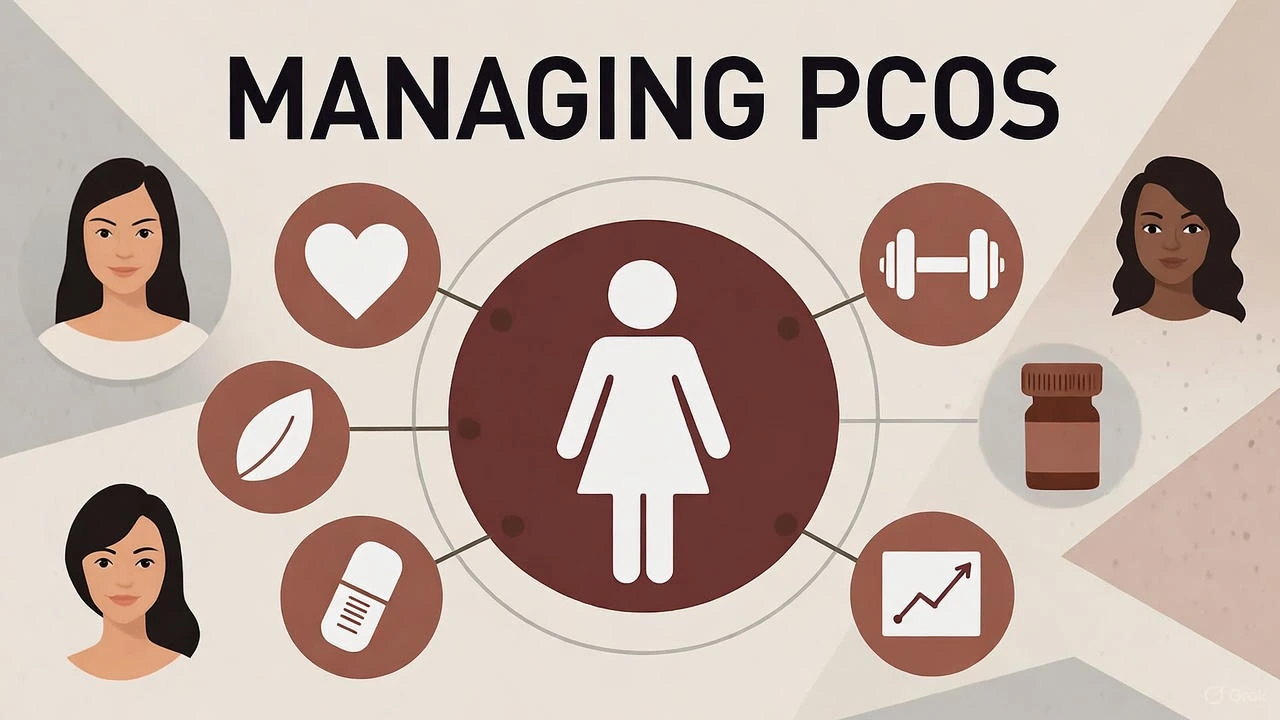
Polycystic ovary syndrome (PCOS) is one of the most common hormonal disorders among women of reproductive age globally. PCOS is estimated to affect 6-13% of women in this age group, though 70% of these cases go undiagnosed. In the United States, 5-6 million women are estimated to have PCOS, currently the leading cause of infertility in this country. Each case of PCOS synthesizes a unique set of symptoms arising from hormonal imbalance, the cause of which is still unresolved. However, the case for health education is strong, and positive health outcomes can help women lower the negative impact of PCOS on their everyday lives.
What is PCOS?
PCOS – or Polycystic Ovary Syndrome – is primarily a condition of hormone irregularity that poses the problem of missing or infrequent menstruation, the presence of excessive androgens, and the formation of small ovarian cysts. These cysts obstruct ovulation and lead to fertility complications. A more definite diagnosis can be made if at least two of the three symptoms are identified – absent or irregular menstruation, signs of excess androgens like hirsutism or acne, and polycystic ovaries observable in a sonography. These cysts of Polycystic Ovary Syndrome mean the condition is polycystic. It should be understood that the presence of cysts is not the sole or main component of the diagnosis.
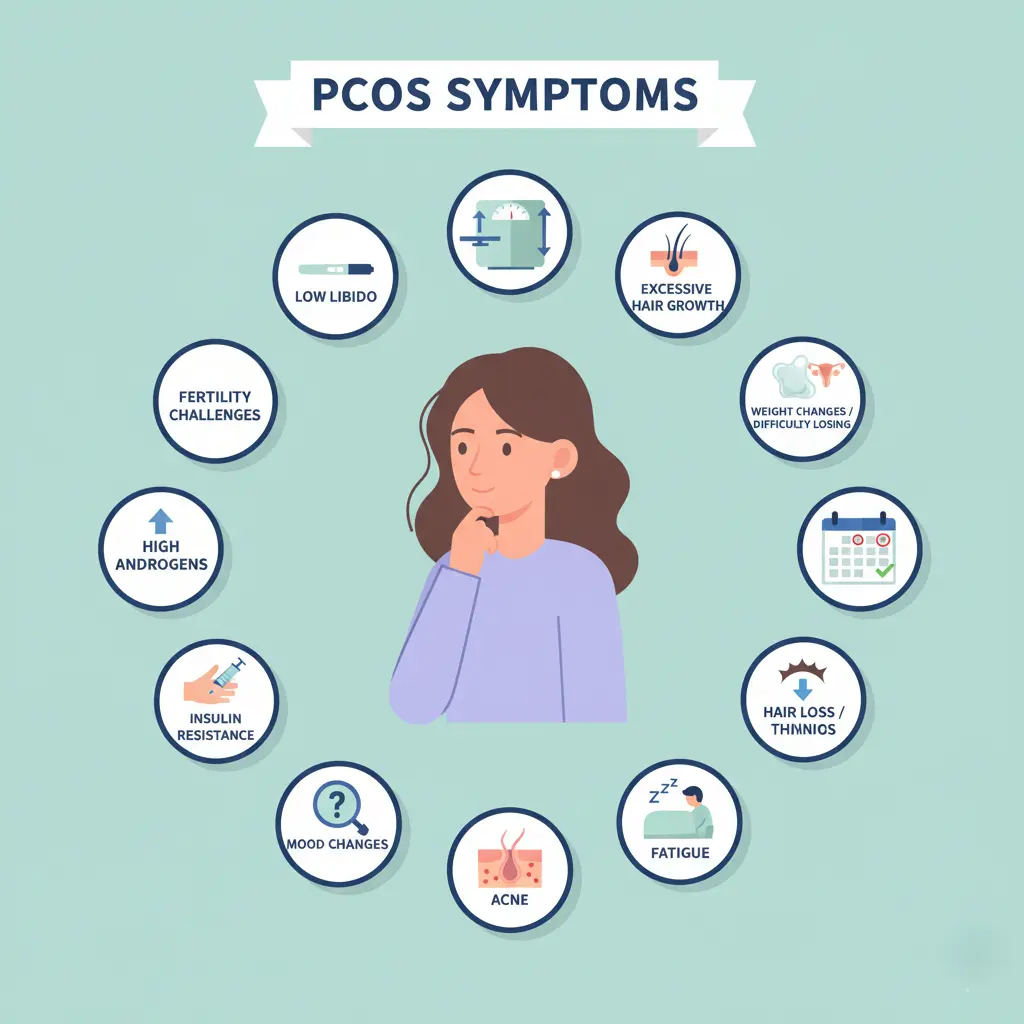
PCOS symptoms are highly variable. Mostly, patients report absent menstruation and cycles that are longer than 35 days. Anovulation and ovulatory cycles can lead to excessive androgen symptoms like hirsutism, severe acne, and male-pattern alopecia, which are frequent. Insulin resistance in PCOS leads to abdominal obesity, and the skin may experience a condition called acanthosis, where the skin folds of the neck or armpits are darkened, or a fatigue level that is excessive and results from sleep apnea. One of the main sources of anovulatory infertility is undiagnosed PCOS, and one of the main PCOS triggers is the challenge of conception.
While the exact causes of PCOS are still unclear, there are some likely causes. One of the most important is insulin resistance. When body cells do not respond to insulin, it causes more insulin to be produced, which stimulates the production of more androgens. PCOS is also associated with low-grade chronic inflammation, which is associated with higher androgen production and could increase the risk of developing cardiovascular problems. Genetics also plays a role, as specific PCOS-linked genes exist, and having a family history of the condition will increase the chances of developing it. Finally, the ovaries producing excessive androgens will prevent normal ovulatory development and release of the eggs.
The complications associated with PCOS are severe and reinforce the need for early action. Infertility, gestational diabetes, and premature birth are primary reproductive complications. Other complications include metabolic syndrome, type 2 diabetes, and nonalcoholic steatohepatitis, which is a severe liver condition. Women with PCOS also face a higher risk of endometrial cancer due to irregular periods, as well as mental health problems, including depression, anxiety, and eating disorders. Obesity, which is common with PCOS, is also a factor that contributes to the worsening of these complications. Even a small loss of weight can decrease the risk of more serious complications in the future.
Managing PCOS Effectively
When managing PCOS, one must consider the different individual goals and potential symptoms needing focus, which may include the regulation of the menstrual cycle, effects of androgens, and fertility issues. Lifestyle modifications will be the first approach. There is sufficient evidence of the importance and effectiveness of lifestyle modifications in alleviating symptoms and preventing future complications. Combining evidence-based recommendations for diet, exercise, and behavioral changes is the main focus of international guidelines for best results.
Adjustments in diet are one of the most important aspects of PCOS management. The goal of losing weight and stabilizing insulin levels is best achieved through a low-calorie diet that consists of complex carbohydrates from fruits, vegetables, whole grains, and legumes. Incorporating anti-inflammatory foods and reducing the intake of foods that may cause inflammation has been shown to improve metabolic health. Professionals may suggest a low-carbohydrate diet to those who are insulin-resistant and need to be protected from rapid insulin spikes. Weight loss of 5% through the changes mentioned above will effectively restore ovulation and reduce the androgen-related symptoms of acne and hirsutism.

Incorporating regular physical exercise is part of health-related lifestyle changes. Adults are encouraged to engage in 150 minutes of moderate-intensity aerobic exercise or 75 minutes of vigorous exercise per week, which can include walking, cycling, or lifting weights. Exercise, with or without a diet, has been shown to positively influence insulin sensitivity, aid in weight maintenance, and improve reproductive health, according to a number of review articles. Goal setting, a self-monitoring system, and other behavioral strategies are recommended to reinforce habit persistence.
Medication is prescribed when changes in lifestyle are not sufficient. To regulate the menstrual cycle, decrease the symptoms of androgens, and manage irregular bleeding and hirsutism, estrogen and progestin combination birth control pills are prescribed. For women who are trying to get pregnant, ovulation-stimulating medications such as clomiphene or letrozole are prescribed, sometimes with metformin to manage insulin levels. For hirsutism and acne, the anti-androgen drug spironolactone is used, and due to the risk of pregnancy, effective contraception is needed. Unmedicated infertility may also require the added option of in vitro fertilization.
Complementary approaches to managing symptoms include cosmetic options for excessive hair removal, such as laser therapy and electrolysis, as well as eflornithine cream prescribed for hair growth on the face. Owing to the high risk of secondary complications, it is crucial to perform regular blood pressure, glucose, and cholesterol assessments to screen for and monitor associated conditions.
| ABC Strategy | Key Benefits | ABC Supporting Evidence |
|---|---|---|
| Dietary Changes (e.g., low-carb, anti-inflammatory) | Stabilizes insulin, promotes weight loss, reduces symptoms | Systematic reviews show improved metabolic and reproductive health. |
| Exercise (150+ min/week moderate) | Enhances insulin sensitivity, aids ovulation | Evidence from trials indicates better PCOS management when combined with diet. |
| Medications (e.g., metformin, birth control) | Regulates cycles, lowers androgens | Stabilizes insulin, promotes weight loss, and reduces symptoms |
Moving Forward with PCOS
If managed properly, including lifestyle changes, medical treatments, and regular assessments, the extensive complications associated with PCOS could be improved significantly. Highly individualized plans should be established as early as possible, based on the most recent international guidelines and evidence, which stresses the need for proactive measures, including weight reduction and the regulation of menstrual cycles. Evidence shows the considerable complications triggered by PCOS can be significantly mitigated, thus improving the physical and mental quality of life for individuals diagnosed. Individualized plans should be developed in collaboration with the most appropriate health care professional.
