

Even a basic bath, amidst the frantic pace of everyday life, can help us practice essential self-care. Bath salts have become essential self-care products, with finely ground Himalayan crystal salts, in our wellness routine. As bathwater, infused with salts, becomes a vehicle for therapeutically relaxing, renewing. Many have embraced holistic healing bath salts for relieving stress or soothing irritated skin.
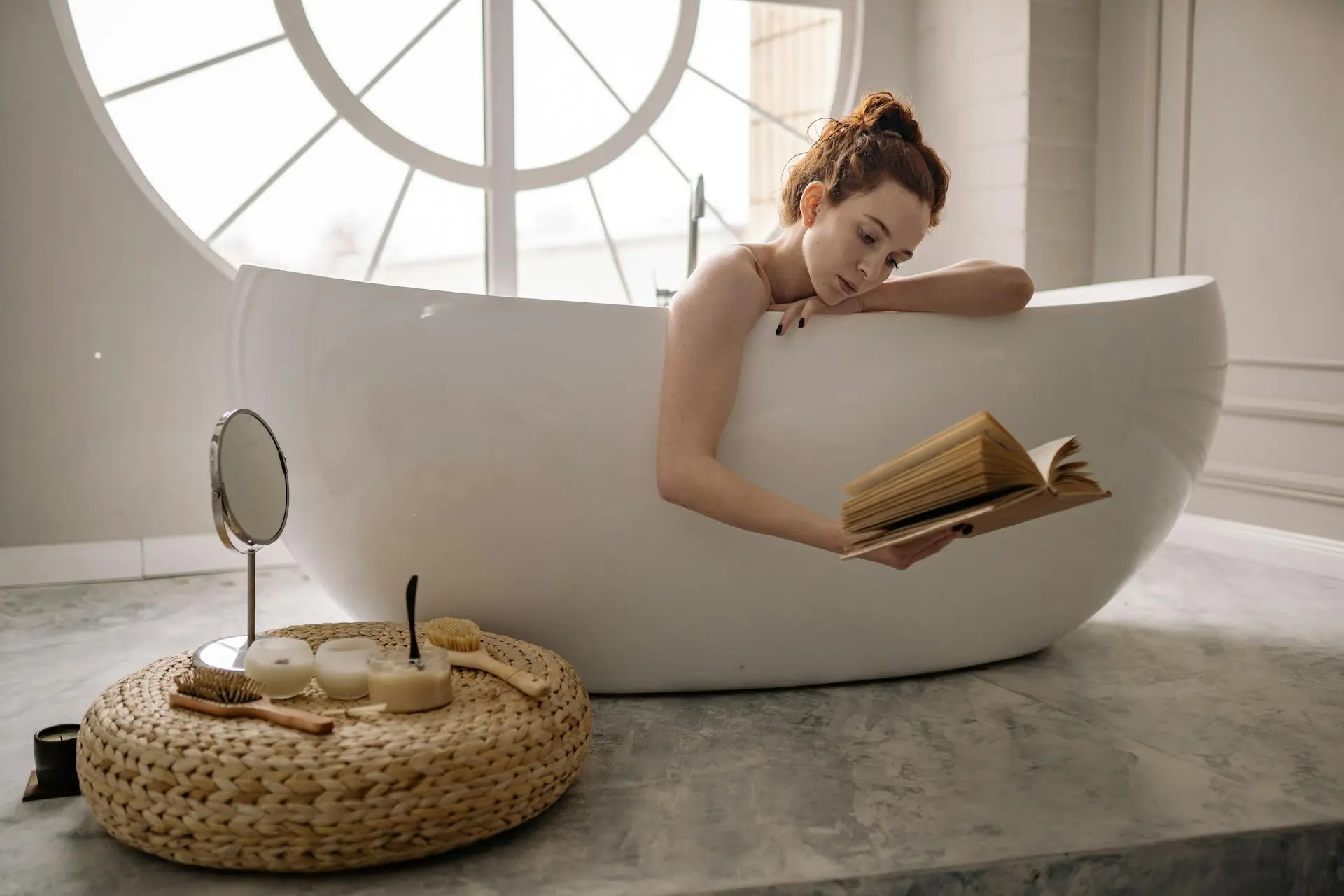
A therapeutic bath enhanced with bath salts for ultimate relaxation
The fascination with the ability to ritualise an ordinary soak in the tub, and the simplicity of effect in the salts, argues for their use every day in the tub. Everyday science, coupled with age-old traditions, permits us to rethink and to claim bathing as a therapeutic everyday practice. Therapeutic bathing is an age-old practice in many cultures. Cleopatra used Dead Sea salts for skin rejuvenation and vitality. Roman bathhouses incorporated balneotherapy, and bathing was an art practice. Greek physician Hippocrates prescribed sulfurous spring baths for skin and joint health.
By the Middle Ages, Europe was using herbal infusions and salts for cleansing and healing. In the 19th century, the modern bath salt trend began when England discovered Epsom salts and promoted them to relieve sore muscles due to their high magnesium content. Today, bath salt self-care practice is a global trend and holds the same purpose.
Unveiling the Health Benefits of Bath Salts
Bath salts offer a number of benefits for self-care. Absorbing magnesium Epsom salts helps relieve muscle tension and soreness. Eczema, psoriasis, dermatitis, and other skin conditions are calmed, having inflammation reduced and hydration improved.
Warmth and other properties of the bath salt stimulate sleep and relaxation, thereby promoting the body and mind’s detoxification and relaxation. Enhanced circulation means an increase in overall vitality and mental clarity. Enhanced circulation and detoxification promote overall vitality and mental clarity, which is especially needed for the mind during meditation and mindfulness practices. The ritualistic nature of the bath salt becomes an integral component of a meditative bath.
Emotional balance, Calmness, and balance are promoted through increased stress reduction, leading to enhanced sleep.
The benefits of the bath salt have become versatile for the user holistically, which is made most evident with emerging research trending in the user’s favour.
Bath Salt Varieties
There are various types of bath salts for different purposes. The most common type is Epsom salt, which is made of magnesium and sulfate and is for muscle relaxation and recovery. Dead Sea salt contains 20 different minerals and is used for detoxifying and healing the skin.
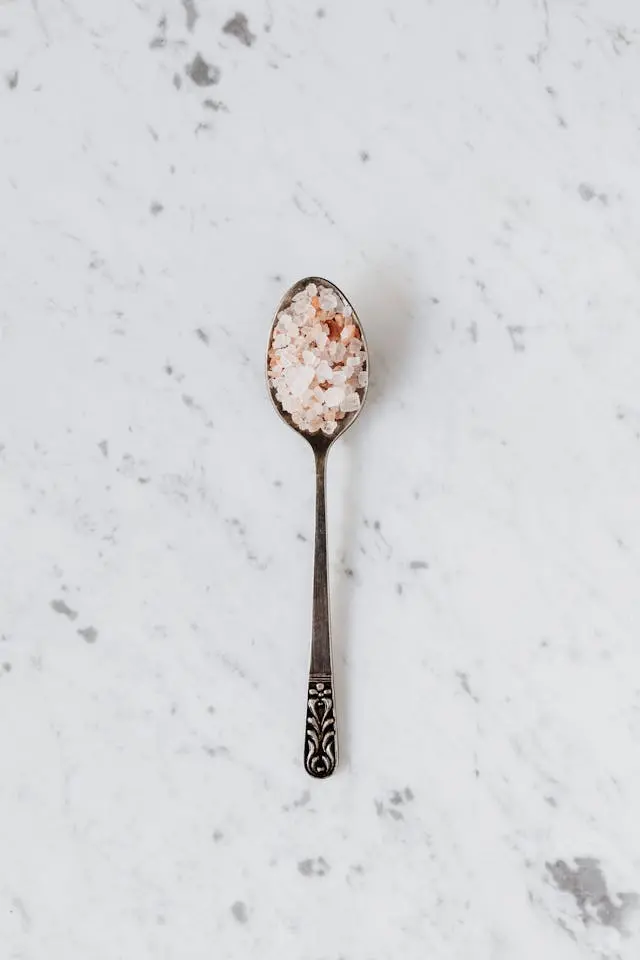
Himalayan pink salt contains traces of iron and is used for skin brightening and electrolyte balance. Sea salt is often combined with essential oils like lavender and eucalyptus to promote relaxation and ease the mind.
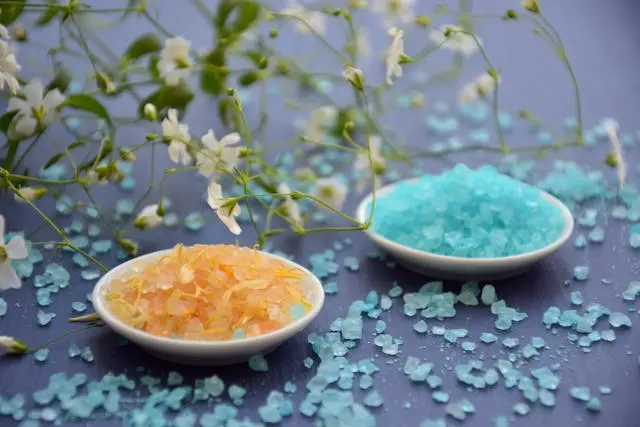
Colourful varieties of bath salts for personalised self-care.
Unscented options are safe for sensitive skin, and for acne-prone skin, Epsom varieties are recommended. The choice will depend on hydrating, energising, or soothing.
Crafting Your Personal Healing Bath Ritual
Incorporating bath salts mindfully brings focus to the bathing process. Healing water is drawn by dissolving salts in running water for even distribution, and a generous handful, usually 1-2 cups, is added. The session is enhanced by adding essential oils, candles, and soft music. Ambience intentions for the session are set.
Soaking the body for 10-20 minutes is essential for full absorption of the minerals. For a deeper experience, herbs like lavender buds or rose petals are sprinkled in to transform the bath into a sensory sanctuary. Salts are also wonderful for foot soaks or showers. Even without a tub, salts can be used in foot soaks or showers for similar benefits.
Recipes for Bath Salts Using Natural Ingredients for Homemade Self-Care
You don’t need to spend a dime to make customised Bath Salts. A simple recipe includes 3 cups of Epsom salts, 1 cup of sea salt, ½ cup of baking soda, and 15 to 20 drops of essential oil such as lavender or chamomile.
Ingredients for Making Your Own Bath Salts
As a deep relaxing blend, 4 cups of Epsom salts, 1 cup of Himalayan salt, and 40 to 60 drops of your favourite oil work well together. Cut and dried flowers, herbs, or even rose petals make the blend more aromatic and visually appealing. These and other blends work well to make a bath even more of a ritual for the bather.
Different Mixes:
Energising: Eucalyptus and peppermint oils are added.
Soothing: Lavender and vetiver for stress relief.
Detoxifying: Rosemary or sage, respectively, for cleansing.
By working on the above, new creations will harmonise with what the individual most prefers.
Incorporating Bath Salts for Enduring Self-Care
Wellness remains sustained through regular use of bath salts. With the integration of modern self-care rituals and ancient practices, one can achieve inner self and physical renewal. Bath salts self-care rituals, whether for quick routines or for longer luxurious soaks, remain healing and unrivalled.
