


What are Emergency Contraception Pills?
Emergency contraception (EC) pills, commonly known as ‘the morning after pill’, are one of the important modalities offered to individuals who seek to prevent unwanted pregnancies after an instance of unprotected intercourse or a contraceptive mishap. Given its ease of access and use, the question of how effective these pills truly are is alarming and requires an answer. As to whether or not EC is effective is a complex answer. In layman’s terms, EC is effective, but how effective depends on multifactorial considerations such as timing and other individualistic factors.
How Do Emergency Contraceptive Pills Work?

Emergency contraception pills function primarily by delaying or preventing the process of ovulation, which is the release of an egg from the ovary. If an egg is not released, there is no possibility of pregnancy. In addition, these pills may modify the cervical mucus to prevent sperm access to the uterus or alter the uterine lining, preventing a fertilized egg from implantation.
Most importantly, it is crucial to know that emergency contraception pills do not end a pregnancy. They do not function as abortion pills and therefore are ineffective should a woman already has an existing pregnancy.
Types of Emergency Contraception Pills
There are two primary types of emergency contraceptive pills, the levonorgestrel and the Ulipristal acetate pill, and each comes with certain advantages and different timeframes for effectiveness.
Levonorgestrel-based Pills (e.g., Plan B One-Step, Take Action, Next Choice):
- Formulations contain a progesterone-synthesized pill, thus the most popular type of emergency contraceptive pill. They are most effective when taken within 72 hours after unprotected sexual intercourse. Some studies suggest that these pills are effective up to 96 hours and in certain circumstances 120 hours; certainly, after 120 hours, the effectiveness drops substantially.
Ulipristal Acetate-based Pills (e.g., Ella):
- Ulipristal acetate, also called Ella, is another type of pill that can also be taken up to 120 hours after unprotected sexual intercourse. Like the levonorgestrel pills, ella is more effective the closer the dose is to unprotected sex. Ella is the preferred choice for people who might not have immediate access to the emergency pill, as it is more effective in the 5 days after unprotected sex.
The Ratio Of Effectiveness
The use of emergency contraception pills does come with some limitations, and their timely use is an important factor. Effectiveness depends on the time of administration relative to unprotected intercourse:

Levonorgestrel pills:
- Effective 94% of the time if taken within 24 hours.
- 48 to 72 hours lowers effectiveness to 58%.
Ulipristal Acetate pills:
- Nearly 98% effective if taken within 24 hours and remains high during the 5-day time frame, which makes it more desirable for patients who cannot take the pill on the day it is needed.
Anticipated Barriers to Effectiveness
The effectiveness of emergency contraception pills can be influenced by:
- Time. The highest effectiveness rate is achieved within the first 24 hours of unprotected intercourse.
- Body Weight. Some studies suggest that the pill containing the hormone Levonorgestrel may be less effective in patients with high body mass index. ‘Ulipristal Acetate appears to be relatively more effective in patients with higher body mass index, but the copper IUD is the most effective form of emergency contraception for this group patients.
- Vomiting: Women may not have fully absorbed the pill if vomiting occurs within the first two hours after taking the supplement. In such situations, it is advisable to consult the provider to see if a second dose is warranted.
- Drug Interactions: Some prescription medications, including anticonvulsants, certain classes of antibiotics, and the herbal remedy St. John’s Wort, may reduce the effectiveness of emergency contraception pills. It is important to discuss all medications, over-the-counter medications, and herbal supplements with the provider.
- Cycle Timing: The morning-after pill is most effective if it is taken prior to ovulation. If ovulation has already occurred, the pill will most likely not work because it is not able to stop the fertilization of the egg that has already been released.
- Regular Contraceptive Use: Emergency contraception is not meant to be a primary contraceptive method. In cases of regular unprotected intercourse or contraceptive failure, other contraceptive options like contraceptive pills, intrauterine devices, or condoms should be considered.
Side Effects and Safety
Most people will find emergency contraception pills to be safe, and in most cases will not experience any severe side effects. The most common side effects include:
- Nausea and vomiting
- Headaches
- Dizziness
- Tiredness
- Changes to the menstrual cycle (the next period may come earlier or later than usual, or there may be some spotting)
- Breast tenderness
- Lower abdomen pain and cramping
Most side effects will be mild; however, caution should be taken, and emergency contraception pills should not be used regularly. EC pills do not cover the risk of contracting sexually transmitted infections; therefore, other means of pregnancy protection must be used, like birth control pills or condom use.
Other emergency contraception methods
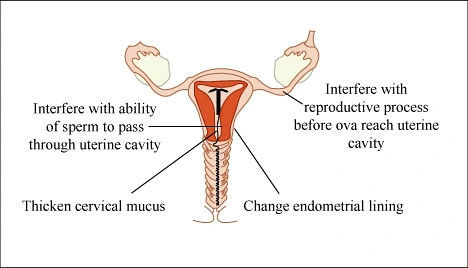
EC or “morning after” pills are not the only option available. The most effective method of emergency contraception available is the copper IUD. When correctly inserted by a clinician within 5 days of unprotected sex, the IUD has a success rate of over 99%. If used as a primary or secondary method of contraception, the copper IUD also provides a long-term option, but it does require a visit.
Conclusion
Emergency contraception pills are one of the most effective backup contraceptive methods if used correctly at the right time. They can considerably diminish the chances of unplanned pregnancies if taken during the critical period of 24-72 hours. However, factors such as body weight, the timing of the pill, and pill interaction can influence its effectiveness and thus should be taken seriously.
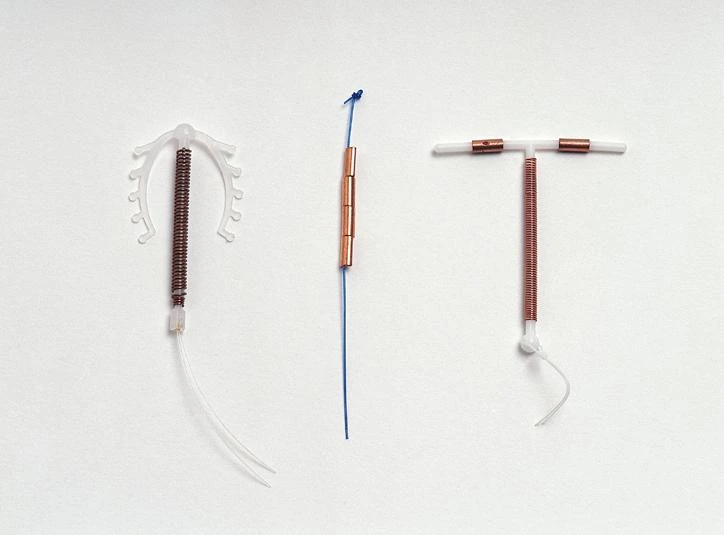
Like most other forms of contraception, emergency contraception pills are not designed to be used as the main means of birth control. For long-term prevention of pregnancy, more effective methods, such as regular birth control pills, an intrauterine device (IUD), or even condoms, should be used.
If you are not sure which emergency contraception option is more appropriate, or if there are any other concerns about how to use it, a healthcare provider or a pharmacist can be very helpful. They can assist you through the process and make sure you ensure the best option for your needs.
