


Sex education is an essential part of a balanced curriculum that equips people with accurate, age-appropriate, and integrated knowledge about human sexuality. It addresses more than just the mechanics of sex, covering topics like sexual health, consent & relationships, and emotional aspects to sexuality. Sex ed aims to equip people with the information and skills needed to make smart, responsible decisions when it comes to their sexual health, as well as how they relate/interact with other folks sexually.
What is Sex Education?
Sex education is the instruction of issues relating to human sexuality, including emotional relations and responsibilities, human sexual anatomy, sexual activity, and sexual reproduction. It covers areas ranging from:
Anatomy and Physiology: Understanding of the male and female reproductive systems; menarche, menstrual cycle, or periods; Puberty, as well as body changes during adolescence.
Sexual Health: Being informed about preventing STIs, understanding contraception methods, and practising safe sex.
Consent and Communication: Why consent is essential in relationships, how to have personal boundaries, and effective communication for physically intimate encounters.
Emotions & Sex: Examinations of the emotion effects on sex decisions-love, intimacy, and relationship dynamics.
Gender & Sexuality: Celebrating and accepting the wide range of gender identities, as well as shining a light on different sexual orientations.

Relationship Education: The dynamics of healthy relationships, complete with the knowledge to identify unhealthy behaviors and how to model respectful partners
Sex education is taught either in school or by the parent institution, depending on cultural and religious beliefs. The difference is that it’s all rooted in evidence and truth, science-based information, and a non-judging stance on those topics.
Why is Sex Education Important?
Promotes Informed Decision-Making
One of the main advantages of sex education is that it provides people with knowledge so they can make informed choices about their own sexual health and relationships. I believe that if people knew what is biologically, emotionally, and socially at stake, they could better understand this mess we have in our hands.
Prevents Sexually Transmitted Infections (STIs)
Worldwide, more than 1 million STIs are acquired daily,* according to the World Health Organization (WHO). Sex ed saves lives. With comprehensive sex education, people know what the dangers of unprotected sex are and how to stop the spread of disease. Students are taught about contraception methods, including condoms, that can lower the risk not only of STIs but also of unwanted pregnancies.
Reduces Teenage Pregnancy Rates
Not to mention, sex education programmes have been proven to reduce teenage pregnancies. By teaching young people about contraception, informed sexual behaviour, and the consequences of unprotected sex, they are encouraged in general to postpone having sex at all, or to use a condom if they do. This is important because adolescent pregnancies can have lifelong implications for the young mother and her child.
Promotes Consent and Healthy Relationships
An important part of sex education is discussing consent, which is pivotal in any sexual or romantic relationship. Sex education helps to prevent sexual harassment, assault, and abuse by promoting the significance of mutual assent, respect, and communication. It will also create better relationships, in which people can express their boundaries, desires, and needs without problems.
Fosters Gender Equality and Inclusivity
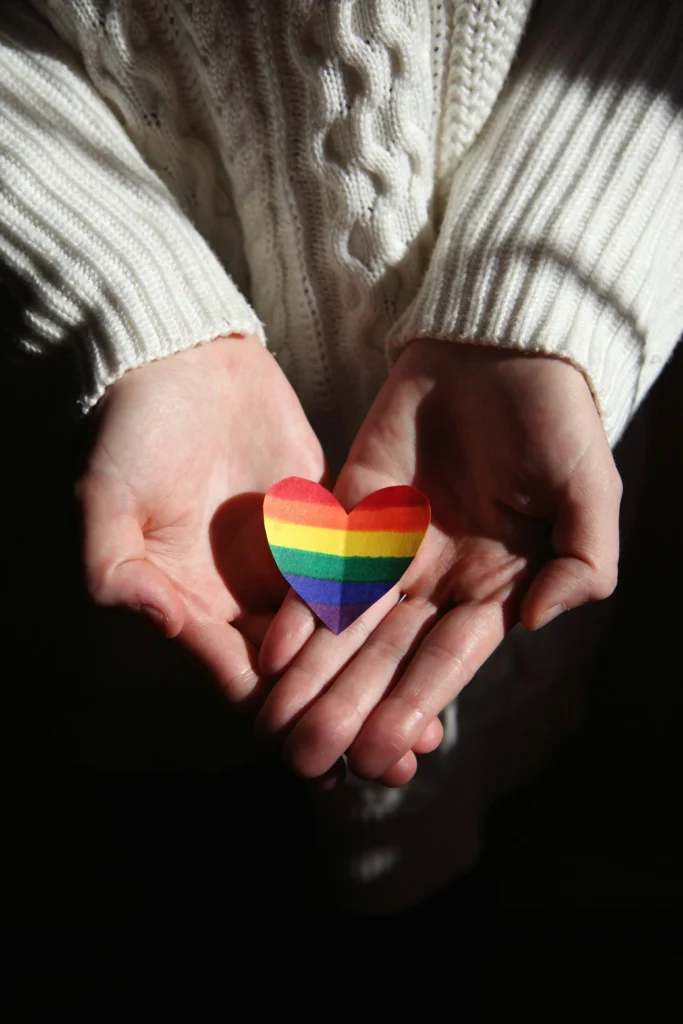
Sexuality education is key in challenging negative gender stereotypes and advancing gender equality. Sex education promotes acceptance and understanding of people who are different. Discussing sexual orientation and gender identity is a great way to foster an environment that’s accepting, where young people will be able to understand (and respect) those they don’t know much about. This inclusiveness contributes to a fairer society, one that celebrates diversity and discourages prejudice.
Inspires With The Knowledge And Confidence To Achieve
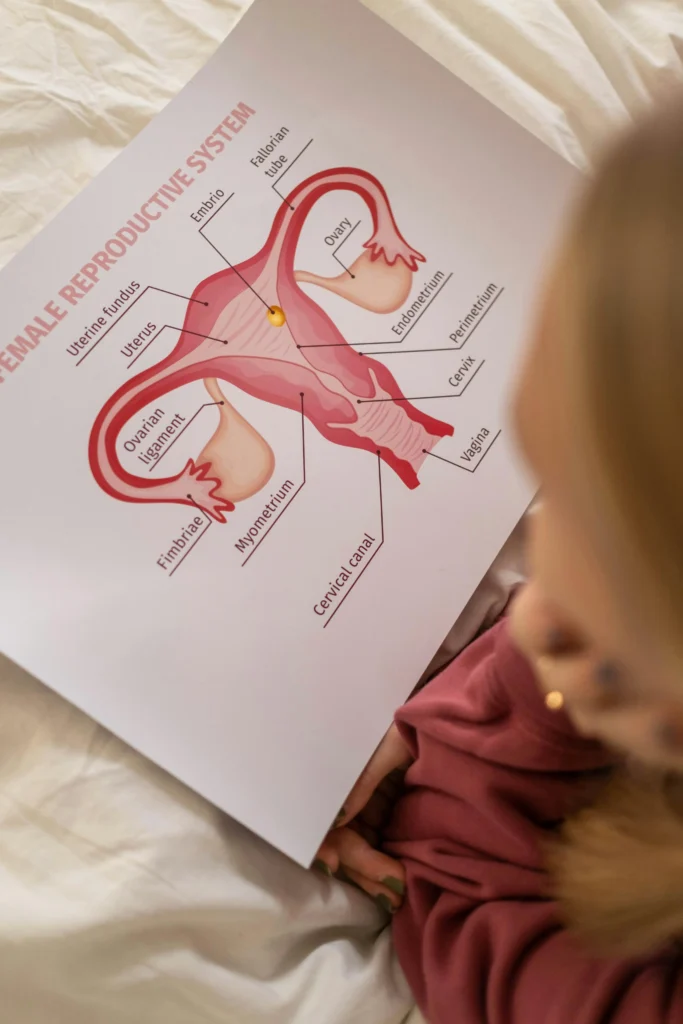
Sex is power, and sex ed makes powerful people by giving them the information they need to confidently move through sexual and romantic relations. It’s a tool that allows people to learn how their bodies work, assert themselves, and participate in relationships so that they can function with dignity. This empowerment can have a positive effect on self-esteem and mental health.
Parents’ and Schools’ Role in Sex Education
Schools are commonly thought of as the epicenters for sex education, but parents have a vital role in teaching children about sexual health. The two approaches together, school-based form and home-based informal sex education, can help young people receive comprehensive support in both directions. Here are some of the things schools and parents can do to help:
School-Based Sex Education
Schools offer sex education that is structured and curriculum-based. These programs in most countries are mandated to meet national health and educational requirements. Quality sex education is developmentally appropriate, inclusive, and based in science. This might touch on puberty, periods, sexual health, STIs, consent, and relationships.
Parental Involvement in Sex Education
Parents can help to reinforce what children learn in school by having open, honest discussions around sex and relationships, as well as emotional health. Parenting plays a key role as children have someone to ask questions in a safe environment and to receive counsel that’s rooted in the family. Parents can also demonstrate healthy communication and relationships, which are important aspects of sex education in any form.
Myths and Misconceptions Regarding Sex Education
Sex education still carries some myths, despite all its pros. These inaccurate notions about sex can hamper how effective our sex education is and stop people from learning the information they require. Here are a few of the most widespread myths:
“Teaching Kids About Sex Makes Them Want To Have It”
Evaluations indicate that comprehensive sexuality education does not increase sexual behavior; in many cases, it may deter early, unwelcome sex and motivate safer, more responsible behavior. Information about contraception and sexual health that helps young people make good choices should they choose to have sex.
“Sexual Education is Just Telling People About Contraceptives”

Contraception is a part of sex education, not the entire thing. There is so much more to sex education than the mechanics of it, from emotional aspects of sexuality, relationships as they relate to others and oneself, consent, and respect for personal boundaries. It was created to give people what they need to survive anything and everything that occurs in their sexual lives.
“Sexual Education is not for Children. It can only be provided to Teens.”
You never get too old for sex education. Not only is it important for adolescents, but adults also need continuous education related to sexual health, consent, and how and when to communicate in a relationship. There is great value in lifelong learning so that people can be well-informed and make better decisions throughout their lives.
References and Research on Which Sex Education is Based
There is evidence that sex education programmes result in good sexual health and well-being. Full sex ed makes it less likely that young people will engage in risky sexual activities (such as having unprotected intercourse), get STIs, or conceive children before the age of 20, according to the American Academy of Pediatrics. The United Nations Population Fund (UNFPA) also stresses the need for comprehensive sex education to advance gender equality as well as end violence against women and girls.
According to the Guttmacher Institute, teens who received comprehensive sex education are more likely to wait before having sex and use protection when they do. The research also stressed that education in healthy relationships and consent was effective for reducing sexual violence among young people.
Sex education is a basic element of establishing individual and public health interests. It gives people the information they need to make healthy choices about sex, dating, and relationships, as well as understand sexual and emotional aspects of sexuality. By creating an environment through frank and accepting discussions, sex education not only helps to prevent sexual health issues but also puts a stop to teenage pregnancies! We must continue to fight for comprehensive, age-appropriate sex education that is scientifically accurate and covers everyone regardless of their gender, orientation, or identity.
Given the right information and support, people can live healthier lives, make informed choices about treatment and care options, or cope better with life’s challenges, which in turn leads to a more respectful society for all.
